An engineering hammer, also known as a hand hammer or a soft-faced hammer, is a type of tool commonly used in engineering, construction, and metalworking applications. It is designed for striking objects without damaging them.
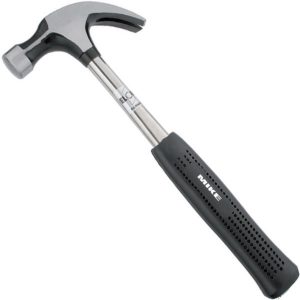
An engineering hammer typically consists of a handle and a head. The handle is usually made of wood, fiberglass, or metal and provides a grip for the user. The head is made of metal, and it can vary in size and shape depending on the intended use. The head is attached to the handle securely, usually with a wedge or a through-hole design.
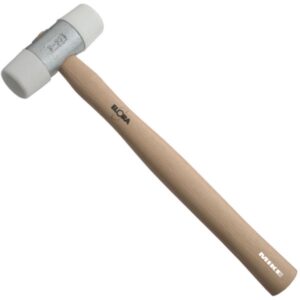
What sets an engineering hammer apart from other hammers is its soft face. The face of the hammer is made of materials such as brass, copper, nylon, or rubber. This soft face helps to minimize damage or marring of the struck object’s surface, making it ideal for applications where the material being struck is easily deformed or prone to damage, such as shaping metal, driving pins, or assembling delicate components.
The soft face of an engineering hammer also reduces the risk of sparks when striking metal objects, making it safer to use in potentially flammable or explosive environments.
- Hammers: Hammers are versatile hand tools consisting of a handle and a weighted head. The head can be made of various materials such as steel, brass, or rubber, and it is used to deliver a forceful blow to drive nails, shape metals, or break objects.
- Mallets: Mallets typically have a wooden, rubber, or plastic head attached to a handle. They are used when a softer blow is required, such as when working with delicate materials or assembling wooden joints.
- Sledge hammers: Sledgehammers are heavy-duty striking tools with a long handle and a large metal head. They are designed for heavy impact tasks like demolition, driving stakes, or breaking concrete.
- Axes: Axes have a long handle and a sharp metal blade. They are primarily used for cutting or splitting wood, but they can also be used as striking tools for driving wedges or chisels.
- Mauls: Mauls are similar to sledgehammers but usually have a shorter handle and a heavier head. They are commonly used for driving wedges, stakes, or fence posts.
- Chipping Hammers: Chipping hammers have a short handle and a sharp, pointed head. They are commonly used in metalworking or masonry to remove slag, scale, or old mortar.
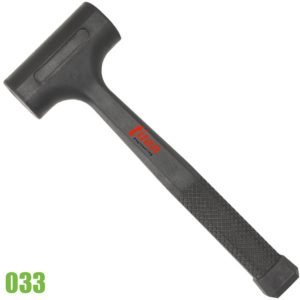
- Dead Blow Hammers: Dead blow hammers have a hollow head filled with loose metal shot or sand. When struck, the weight inside the head absorbs the impact and reduces rebound, making them ideal for tasks that require controlled and non-marring blows.
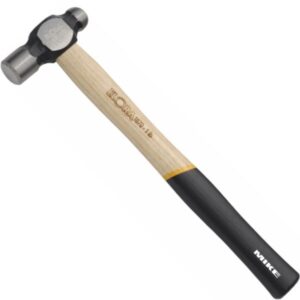
- Ball Peen Hammers: Ball peen hammers have a flat face on one end and a rounded, ball-shaped peen on the other. They are commonly used by metalworkers for shaping or riveting metal.
- Rubber Mallets: Rubber mallets have a rubber head attached to a handle. They are often used in woodworking or construction tasks where a softer blow is needed to avoid damaging delicate surfaces.
- Tack Hammers: Tack hammers have a small, narrow head with a magnetized face for holding and driving small nails, tacks, or brads. They are commonly used in upholstery or crafts.
- Club Hammers: Club hammers, also known as lump hammers, have a short handle and a double-faced, square-headed design. They are used in construction or metalworking for heavier striking tasks like breaking stones or driving chisels.
- Brick Hammers: Brick hammers have a chisel-shaped end for splitting bricks and a square striking face on the other end for driving nails or breaking materials.
Engineering hammers are available in various sizes and weights to suit different tasks. The choice of hammer depends on the specific application and the force required. Heavier hammers are used for heavy-duty tasks that require more force, while lighter hammers are used for more delicate or precise work.
Overall, an engineering hammer is a versatile tool that provides controlled striking power while minimizing damage to the struck object, making it a valuable tool in many industries.
A hickory handle refers to a handle made from hickory wood. Hickory is a strong, dense, and durable hardwood that is commonly used in the construction of tool handles, including hammers, axes, shovels, and other hand tools. Hickory wood possesses several qualities that make it well-suited for this purpose.
- Strength: Hickory is known for its exceptional strength and toughness. It has a high density and a straight grain, which allows it to withstand heavy impact and resist bending or breaking under stress. This makes hickory an ideal choice for tool handles that require durability and reliability.
- Shock Absorption: Another advantage of hickory is its natural ability to absorb shock. When using a tool with a hickory handle, the wood helps to dampen vibrations caused by striking or impacting objects, reducing fatigue and strain on the user’s hands and arms.
- Resilience: Hickory wood has a natural flexibility and resilience, allowing it to bend slightly without breaking. This helps to enhance the overall durability and longevity of hickory handles, as they can withstand repeated use and rough treatment.
- Grip: Hickory handles often feature a textured or contoured surface that provides a secure grip. The wood’s natural grain pattern can contribute to a non-slip surface, even when hands are sweaty or oily, allowing for better control and safety during tool usage.
Hickory handles are favored in the construction of various tools due to their strength, shock absorption, resilience, and grip. They are particularly popular for hammers and other striking tools that require durability and reliable performance.
Engineering Hammer
Showing all 8 results
-
Engineering Hammer
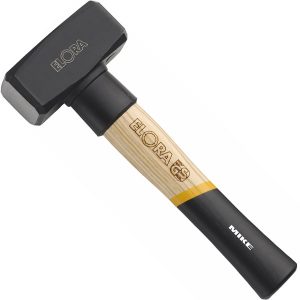
Club hammer, german pattern. Elora 1672
Iron hammer with wooden handle in hickory style. The head and handle of the hammer are reinforced with steel, preventing the head from slipping or flying off. The surface is processed with special black paint, the corners are chamfered. ELORA – Made in Germany.
SKU: 1672 -
Engineering Hammer
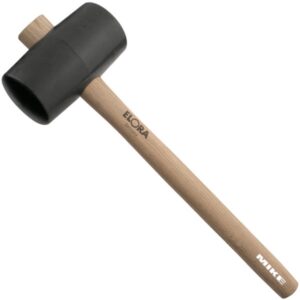
Rubber mallet ELORA 1620, non-marring striking tool
Head rated 90 Shore A for firm, controlled strikes without marring surfaces. Features an ash handle according to DIN 5111 for strength and comfort. Two flat striking faces ensure consistent contact. Available in head diameters from 55 mm to 90 mm, covering a range of assembly, woodworking, and fitting applications.
SKU: 1620- -
Engineering Hammer
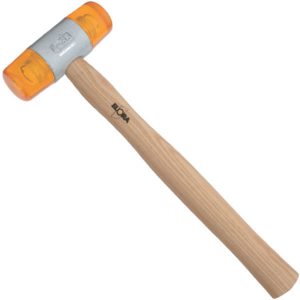
Soft faced hammer ELORA 1660, DIN 53505, 65 shore D
German-made soft-faced hammer with a cast zinc head, exchangeable Cellulose-Acetate faces, and a 22-60mm diameter range. It has a 65 shore D hardness rating according to DIN 53505. The hammer features an ash handle for comfort and shock absorption. It’s a durable, versatile tool for precise strikes in various applications.
SKU: 1660 Series -
Engineering Hammer
Plastic hammer ELORA 1661, Impact-resistant, replaceable faces
with cast zinc face holder and replaceable Desmopan striking faces, rated 55 Shore D according to DIN 53505. Ash handle provides comfort and shock absorption. Four head sizes from 22 mm to 50 mm cover a range of assembly, fitting, and maintenance tasks.
SKU: 1661- -
Engineering Hammer
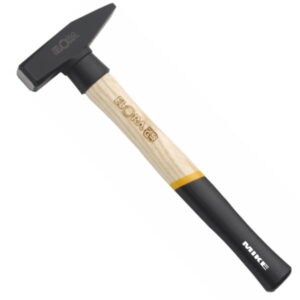
Engineer’s hammer ELORA 1665, German pattern, wooden handle
It is equally suitable for fitting work, controlled dismantling, and tasks requiring precise yet forceful impact. The range of head sizes makes it adaptable for both delicate alignment jobs and heavy-duty striking operations. widely applied in mechanical workshops, machinery maintenance, metal fabrication, and construction assembly.
SKU: 1665- -
Engineering Hammer
Ball peen hammer ELORA 1670, English pattern for metalworking
drop‑forged C45/1.0503 head, inductively hardened and coated. Polished face and ball peen deliver clean, controlled strikes. Ash handle according to DIN 5111, head secured by ring steel wedge and epoxy for long‑term stability. Five calibrated variants from 1/2 lb to 2 lb with 295–375 mm lengths cover riveting, peening, and bench fabrication.
SKU: 1670- -